 Jaw pain, teeth grinding, and tension headaches are signs of temporomandibular joint dysfunction (TMD) or bruxism, conditions affecting the jaw joints, muscles, and bite alignment.
How We Evaluate and Treat TMJ Disorders
TMD symptoms can include jaw clicking or locking, muscle soreness, earaches, neck or shoulder tension, worn teeth, and headaches. If you're experiencing these issues regularly, Dr. Shank starts with a thorough evaluation that may include:
- Comprehensive bite and joint assessment
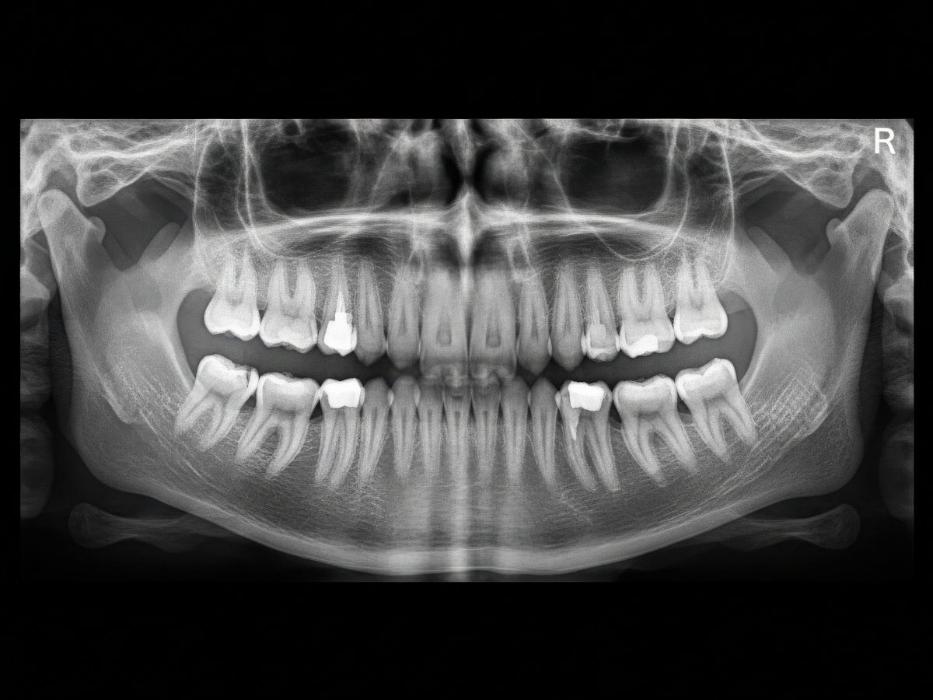
- CBCT imaging to evaluate joint structures and airway anatomy
- Digital bite analysis to assess alignment and occlusal forces
- Muscle palpation and range of motion testing
- Discussion of your sleep quality and stress factors
- Review of your health history and any systemic conditions
From there, we'll present our findings and discuss treatment options that may provide relief. These may include:
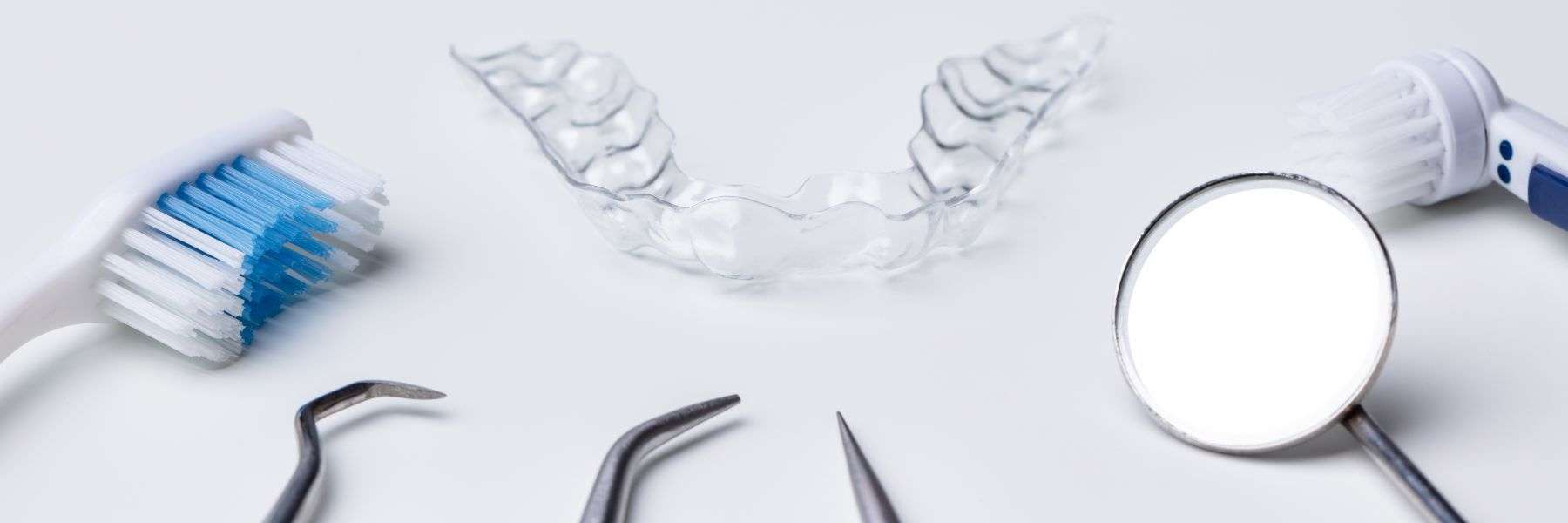
- Custom night guard or bite splint to reduce strain on the jaw joints
- Photobiomodulation (low-level laser therapy) to relieve muscle inflammation and pain
- Ozone therapy to reduce bacterial load and support tissue healing
- Gentle bite adjustments or muscle relaxation techniques
Our goal is to interrupt the cycle of pain and help you understand the contributing factors so you can actively participate in your recovery.